THE BODY AND BLOOD OF OUR LORD JESUS CHRIST
7TH JUNE 2026
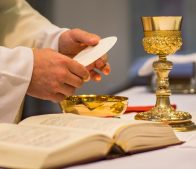
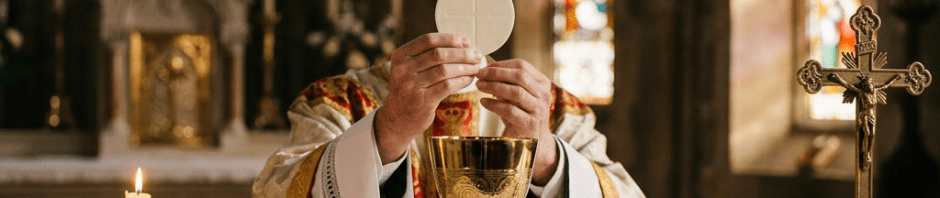
The first reading, reflects on the Eucharist by linking it to God’s care for the Israelites during the Exodus. The manna that sustained them in the desert is presented as an early sign of the Eucharistic bread. Although manna was originally a mysterious substance found on tamarisk bushes, it came to be understood as a miraculous gift from God and a symbol of divine wisdom and revelation. It reminded the Israelites that true life depends not only on physical food but also on God’s word. In the same way, the Eucharist serves as a reminder of God’s ongoing presence and care for his people today.
The second reading, examines Paul’s criticism of the Christian community in Corinth. During the communal meal associated with the Eucharist, some wealthier members acted selfishly, excluding poorer members and damaging the sense of unity that the sacrament was meant to express. Paul strongly emphasizes that the Eucharist is a sign of communion, equality, and shared life in Christ. To take part in it while neglecting the needs of others is, in Paul’s view, a failure to honor Christ himself. He describes both the Eucharistic bread and the Christian community as the “Body of Christ,” highlighting the deep connection between them. The Church is therefore called to function as one living body, where every member is valued and shares in the life of Christ.
The Gospel brings the Bread of Life discourse to its conclusion by moving from belief in Christ as God’s wisdom to active participation in the Eucharist. Just as physical food nourishes and shapes the body, receiving Christ in the Eucharist is meant to transform believers so that they become more like him. This transformation, however, requires a genuine commitment to living according to Christ’s teachings. Receiving the sacrament without embracing its meaning and responsibilities can be spiritually harmful. The symbolism of drinking Christ’s blood points to sharing in his divine life, since blood is understood as the source of life itself. Sharing in Christ’s life also means living in communion with others through generosity, service, and unity. Ultimately, the Eucharist calls believers not only to worship God but also to reflect Christ’s self-giving love in their relationships and daily actions.
Fr Jerome Otitoyomi DUKIYA